ACP sheet price depends on several factors, including panel thickness, aluminium skin thickness, core material, surface coating, colour, brand, order quantity and installation requirements. Looking only at the basic sheet price may not give an accurate picture of the total project cost.
This guide explains the main factors that influence ACP pricing and what buyers should compare before selecting panels for commercial or architectural projects.
What Affects ACP Sheet Price?
1. Core Material and Panel Thickness
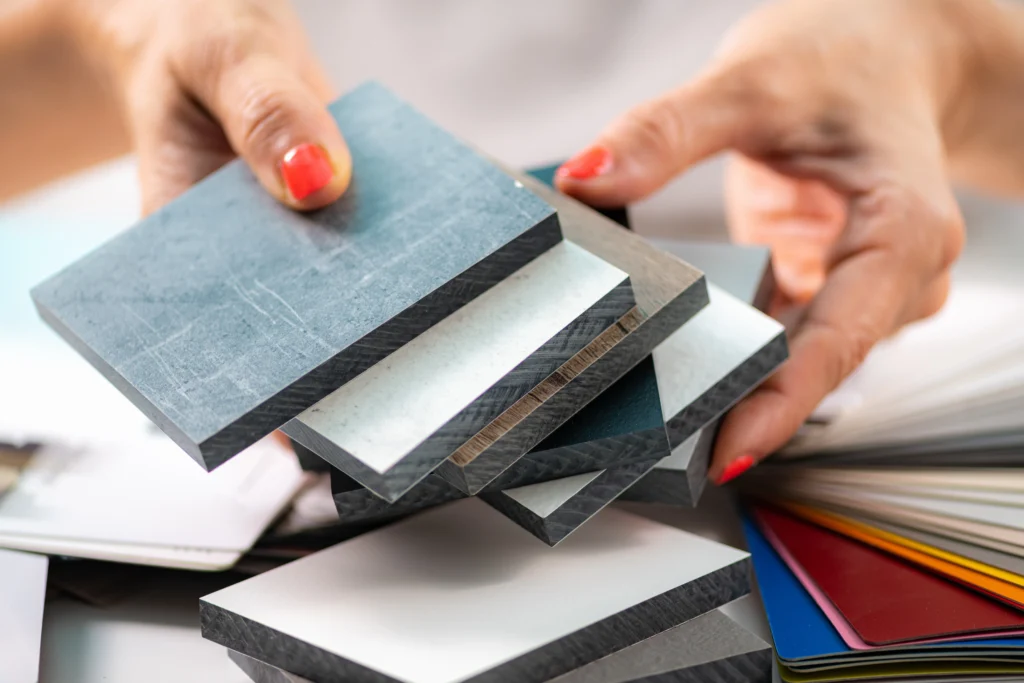
The core material and overall thickness of an ACP sheet have a major impact on its cost. ACP generally consists of two aluminium skins bonded to a central core.
Panels with thicker aluminium skins and greater overall thickness usually offer better rigidity and impact resistance, but they are also more expensive. Fire performance depends mainly on the type and certification of the core material rather than thickness alone.
For applicable Indian requirements for Aluminium Composite Panels, refer to BIS IS 17682:2021 – Aluminium Composite Panel Specification.
2. Surface Coating and Colour
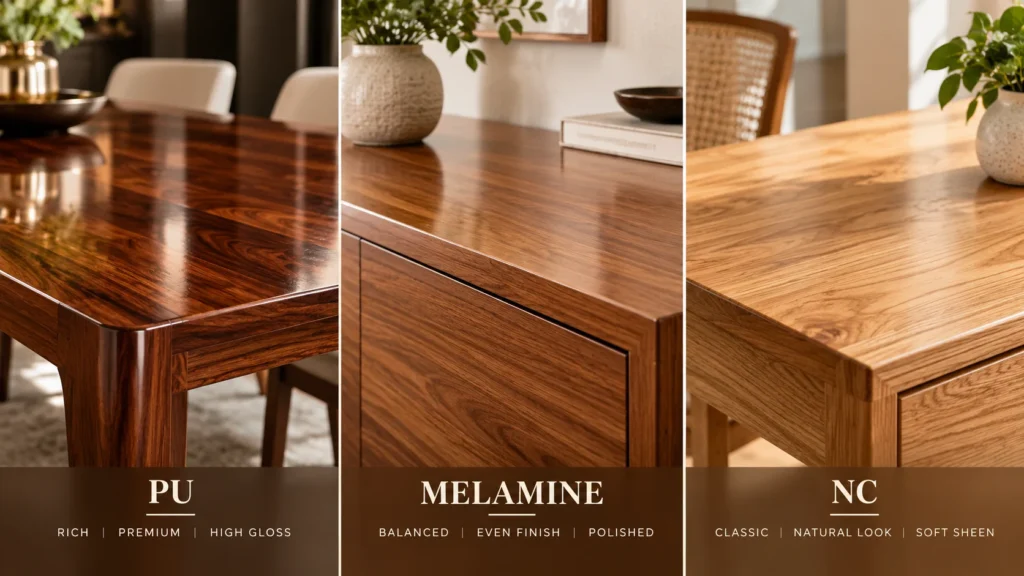
The surface coating used on the ACP sheet also affects its price. Standard polyester coatings are generally more economical, while high-performance PVDF or fluorocarbon finishes cost more.
Premium coatings provide improved resistance to UV exposure, fading, moisture and harsh weather conditions. Special colours, metallic effects, wooden finishes and customised shades may also increase the price.
3. Brand and Availability
The manufacturer and brand reputation can influence ACP sheet pricing. Established brands may charge more because of better quality control, product testing, warranties and consistent finishes.
Local availability also affects the final cost. Imported or less commonly available sheets may involve additional transportation, handling and delivery expenses.
4. Project Size and Customisation
The total project quantity can significantly affect the price. Large-volume orders may qualify for bulk rates, while smaller quantities can have a higher cost per sheet.
Custom colours, special sizes, perforated designs or complex fabrication may require additional production and processing, increasing the overall project cost.
5. Fabrication and Installation Costs
The price of the ACP sheet is only one part of the total project expense. Fabrication, framing, sealants, transportation and installation labour must also be considered.
Experienced installers may charge more, but professional installation helps achieve proper alignment, secure fixing, clean joints and a high-quality finish.
How to Compare ACP Sheet Prices Correctly
When comparing ACP sheet price, make sure the quotations are based on the same technical specification. Two sheets with the same overall thickness may differ in aluminium skin thickness, core composition, coating quality, fire performance and warranty.
Buyers should compare panel dimensions, aluminium thickness, core type, exterior or interior grade, coating system, colour or finish and applicable test or certification requirements. Transportation and minimum order quantities should also be considered.
A lower initial price may not always provide the best project value if the panel has a lower specification or is unsuitable for the intended exposure conditions.
ACP Sheet Price vs Total Installed Cost
The panel itself is only one component of the final façade cost. Supporting framework, brackets, fabrication, routing, folding, sealants, access equipment, transportation and installation labour can significantly affect the overall project budget.
For refurbishment projects, structurally sound existing panels may sometimes be restored using a suitable ACP coating system instead of completely replacing the façade.
Velora Paints: ACP Coating Solutions
Velora Paints provides specialised ACP coatings designed to restore and protect Aluminium Composite Panels. Our coating solutions help improve colour retention, weather resistance and the overall appearance of faded or aged façades.
Available in a range of colours and finishes, Velora ACP coatings can help renew existing panels without the cost and disruption of complete façade replacement.
Conclusion
ACP sheet prices depend on factors such as core material, panel thickness, surface coating, brand, availability, project quantity and installation requirements.
For existing façades that are structurally sound but faded or weathered, Velora Paints provides specialised ACP coating solutions in customised colours and finishes. Explore our ACP colour chart or contact Velora Paints for project guidance.