Choose the Right Panel Size
Selecting the correct ACP sheet size helps reduce material wastage, joints and fabrication costs. Large façade areas may benefit from bigger panel modules, while smaller sheets are more suitable for signage, columns, interiors and detailed architectural sections.
The final size should be selected according to the elevation design, supporting framework, wind conditions and installation requirements.
Select the Right Type of ACP Panel
Different ACP panels are available for different applications. The main options include:
Exterior-Grade ACP Panels
These panels are designed for building façades, canopies and external cladding. They normally have weather-resistant surface coatings that help protect against sunlight, rain and pollution.
Interior-Grade ACP Panels
Interior ACP sheets are used for wall panels, ceilings, partitions, columns and decorative applications. They may not require the same weather resistance as exterior panels.
Fire-Retardant ACP Panels
Fire-retardant panels contain a mineral-filled core designed to provide improved fire performance. They should be selected according to the building type, height and applicable fire-safety regulations.
Special-Finish ACP Panels
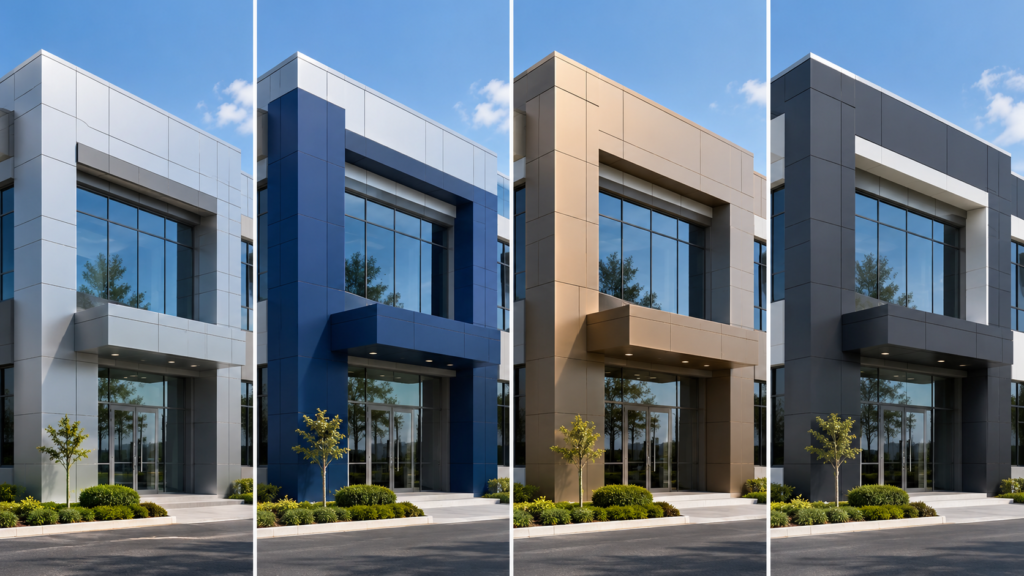
ACP panels are available in metallic, glossy, matt, wooden, stone and customised finishes. The selection depends on the architectural design and branding requirements.
Choose the Supporting Framework
ACP panels are generally installed over an aluminium or galvanised-steel framework. The frame supports the panels and helps maintain alignment, stability and proper spacing.
Aluminium frameworks are lightweight and corrosion-resistant, while steel frameworks may be selected where additional structural strength is required. The framework design should be approved according to the project’s load and safety requirements.
Order the Correct Quantity
Before ordering ACP sheets, prepare an accurate elevation drawing and calculate the required panel quantity. Additional material should be considered for cutting, folding, corner details and fabrication wastage.
The selected sheets should match in colour, finish, thickness and production batch to maintain a uniform façade appearance.
Professional Fabrication and Installation
ACP panels are cut, routed, folded and fabricated according to the approved drawings. They are then fixed securely to the supporting framework using suitable fasteners and installation systems.
Proper joint spacing, sealant application and edge finishing are important for preventing water entry and achieving a clean appearance. Installation should always be completed by trained professionals, particularly on high-rise or large commercial projects.
Conclusion
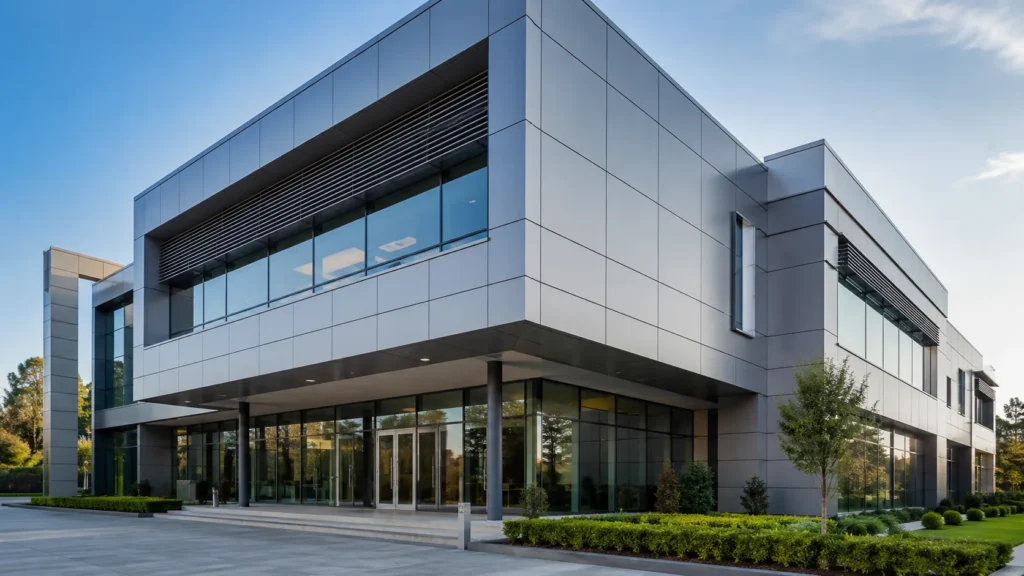
Aluminium Composite Panels offer a practical combination of lightweight construction, durability and design flexibility. Choosing the correct panel type, size, framework and installation method is essential for long-term façade performance.
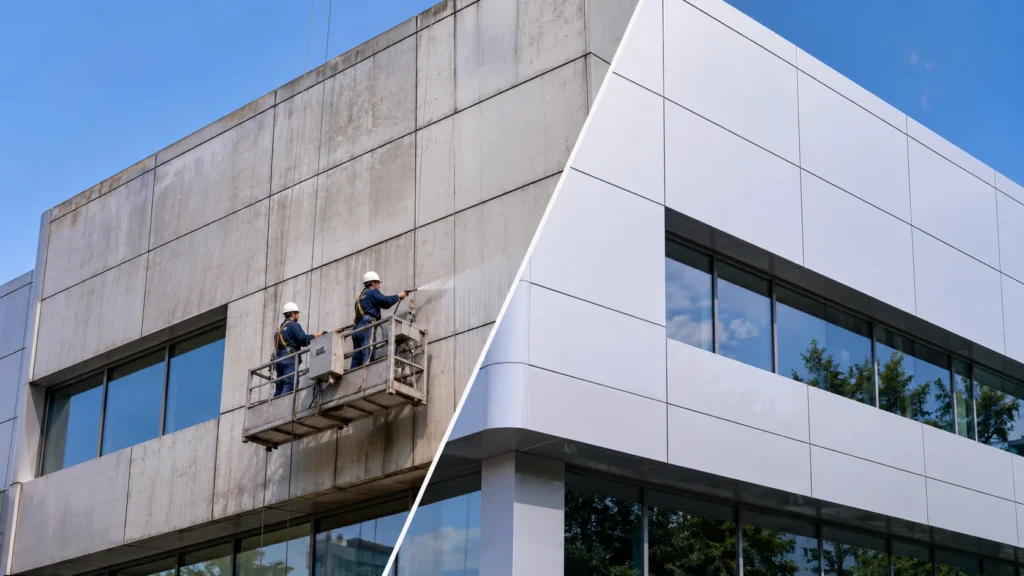
Velora Paints also provides specialised ACP coating solutions for restoring faded and weathered panels without complete façade replacement.