What Is Aluminium Composite Panel Cladding?
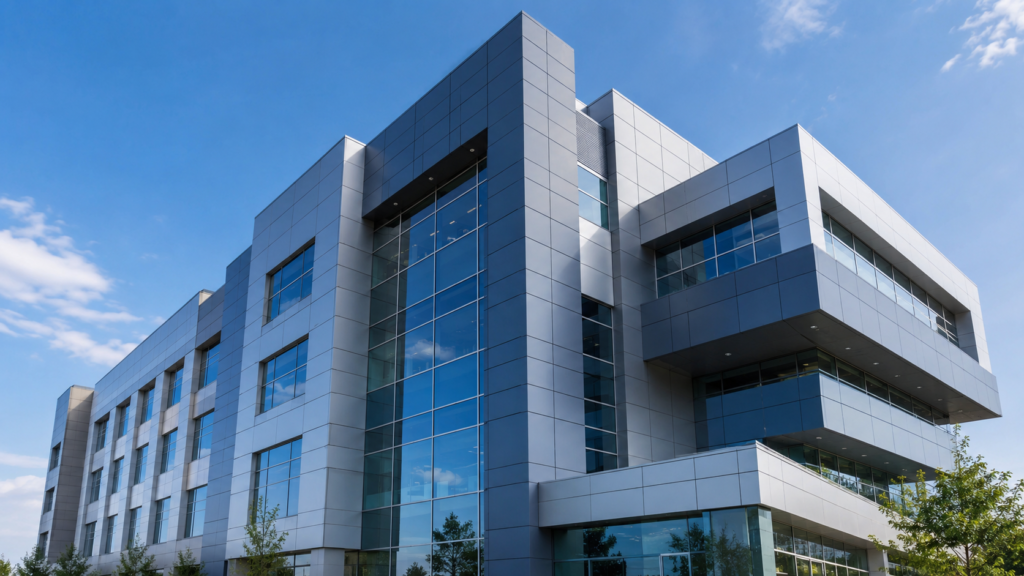
Aluminium Composite Panel cladding is an exterior or interior surface system made from ACP sheets fixed over a supporting framework.
An ACP sheet generally consists of two thin aluminium layers bonded to a central core. Depending on the required application and fire-performance standards, the core may be polyethylene-based, mineral-filled or fire-retardant.
What Are the Main Components?
An ACP cladding system normally includes:
- Aluminium Composite Panels
- Aluminium or galvanised-steel supporting framework
- Brackets and mechanical fasteners
- Joint sealants and weatherproofing materials
- Insulation or backing materials, where required
The panel thickness and aluminium skin thickness should be selected according to the façade design, building height and project specifications.
Why Use ACP Cladding?
Lightweight Construction
ACP panels are lighter than many traditional façade materials. This reduces structural load and makes transportation, fabrication and installation easier.
Modern Appearance
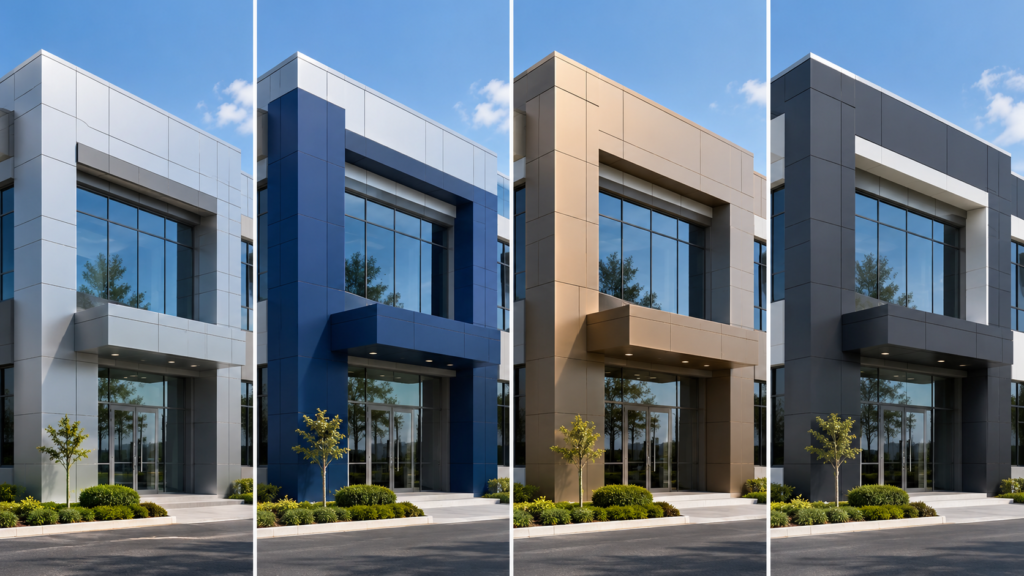
ACP is available in a wide range of colours, textures and finishes, including metallic, matt, glossy, wooden and stone effects. This allows architects to create distinctive and modern elevations.
Durability
Quality panels with suitable exterior coatings can resist sunlight, moisture, pollution and changing weather conditions. Proper installation and maintenance are essential for long-term performance.
Design Flexibility
ACP sheets can be cut, folded, routed and fabricated into different sizes and shapes. They are suitable for flat façades, columns, canopies, signage and decorative architectural features.
Easy Maintenance
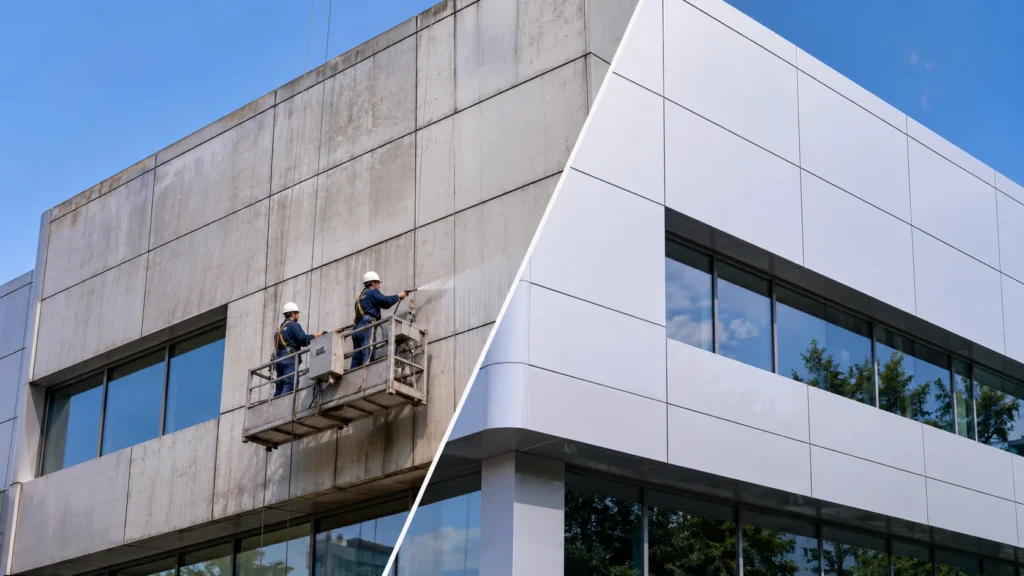
ACP façades can generally be cleaned using water, mild detergent and a soft cloth. Faded but structurally sound panels may also be restored through professional ACP recoating.
Which Type of ACP Panel Should You Choose?
The correct ACP panel depends on several factors:
- Exterior or interior application
- Building height and location
- Fire-safety requirements
- Panel and aluminium skin thickness
- Required colour and finish
- Exposure to sunlight, rain or coastal conditions
- Project budget and expected service life
For high-rise buildings and safety-sensitive applications, certified fire-retardant panels should be selected according to applicable building regulations.
What Affects the Cost?
ACP cladding cost varies according to:
- Panel brand and specification
- Core material and fire rating
- Sheet and aluminium skin thickness
- Colour, texture and surface coating
- Supporting framework
- Fabrication complexity
- Building height and access requirements
- Installation labour and project quantity
A detailed site assessment is necessary for preparing an accurate quotation.
How Long Does Installation Take?
Installation time depends on the building size, façade complexity, panel quantity, site access and supporting framework.
Small sections may be completed within a few days, while large commercial façades may require several weeks. Dividing the work into planned sections helps improve safety, quality and project control.
Conclusion
Aluminium Composite Panel cladding provides a practical combination of lightweight construction, durability and architectural flexibility. With the correct panel selection, professional installation and regular maintenance, ACP cladding can deliver a clean and long-lasting façade finish.
Velora Paints also provides specialised ACP coating solutions for restoring faded or weathered panels without complete façade replacement.