What Are ACP Panels?
ACP, or Aluminium Composite Panel, is generally made by bonding two thin aluminium sheets to a central core material. The outer aluminium surfaces are available with different colours, textures and protective finishes for exterior and interior applications.
Their layered construction provides a combination of low weight, rigidity and design flexibility. This allows ACP panels to be fabricated into different shapes and sizes to suit architectural requirements.
Early Development of ACP Panels
ACP panels began gaining attention in Europe during the 1960s as architects searched for lightweight, durable and modern cladding solutions.
Compared with heavier conventional materials, these panels were easier to transport, fabricate and install. Their smooth finish and contemporary appearance also suited the modern architectural styles developing during that period.
As their performance became better understood, ACP panels started appearing in larger commercial and institutional construction projects.
Growth in Modern Architecture
Over the following decades, improvements in manufacturing, coating technology and panel finishes expanded the use of ACP.
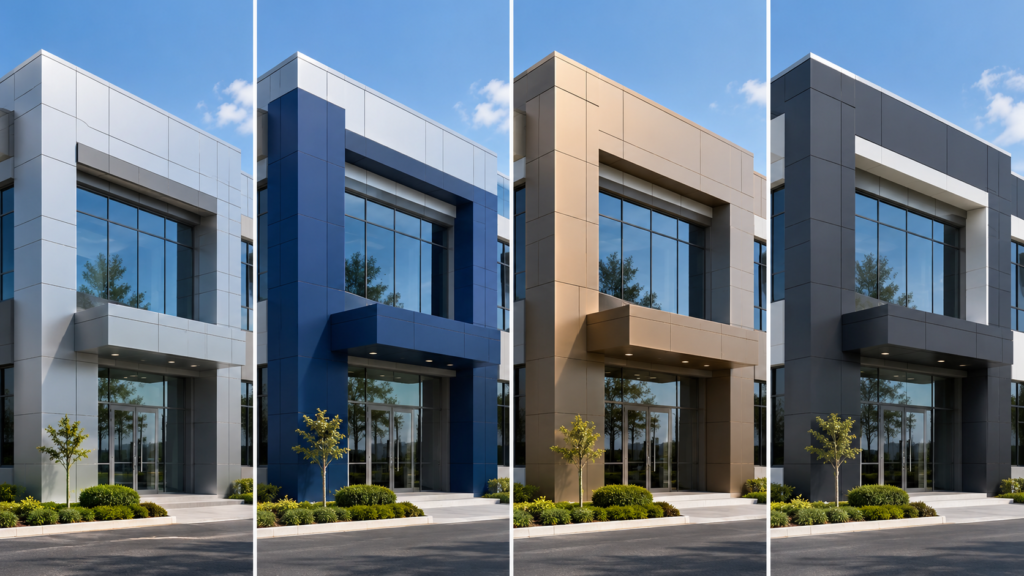
Architects gained access to a broader selection of colours, metallic effects, textures and customised finishes. This made it possible to use ACP panels for both functional cladding and decorative architectural features.
Today, they are commonly found on offices, shopping centres, hotels, hospitals, airports, petrol pumps and residential developments.
Modern Applications of ACP Panels
ACP panels are now used for several exterior and interior purposes, including:
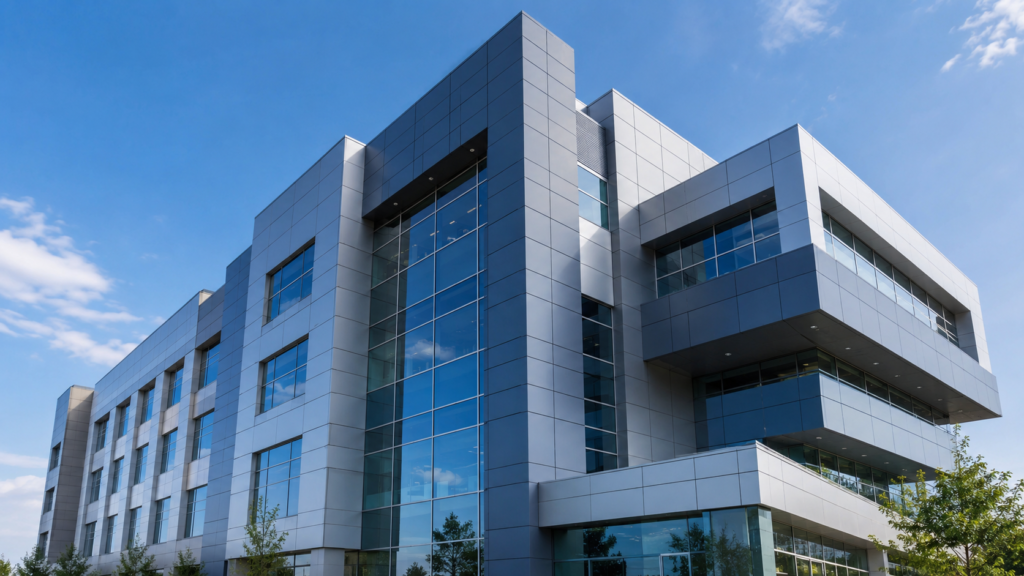
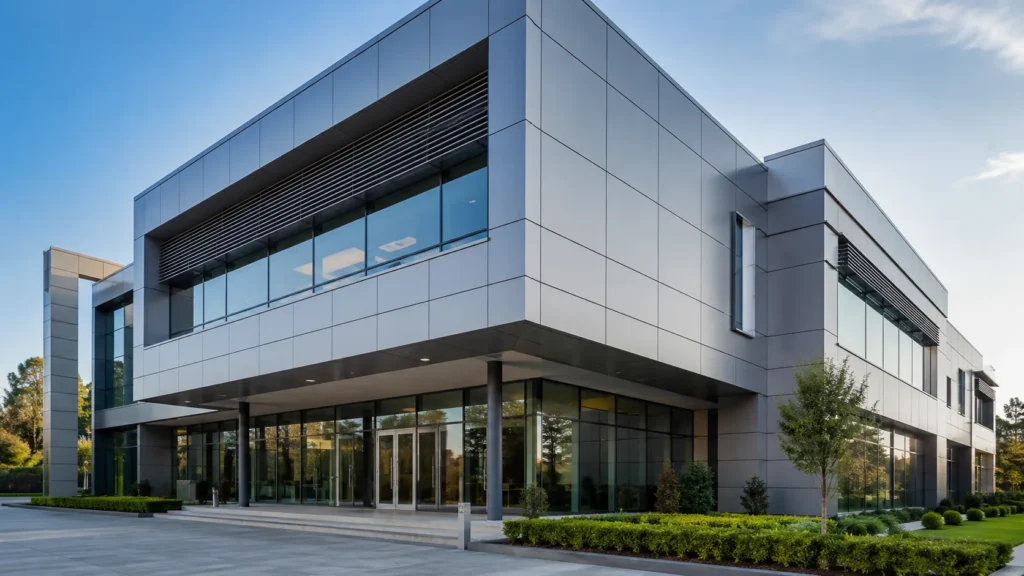
- Building façades and exterior cladding
- Petrol pump canopies and retail outlets
- Commercial signage and brand displays
- Interior walls, columns and ceilings
- Renovation and façade refurbishment projects
Their lightweight construction and fabrication flexibility allow designers to create clean lines, curved sections and geometric patterns.
Advantages of ACP Panels in Construction
Lightweight Construction
ACP panels are lighter than many traditional façade materials. This makes them easier to transport and install while reducing the additional load placed on the supporting structure.
Design Flexibility
The panels can be cut, bent and fabricated into various shapes. They are also available in numerous colours, textures and surface finishes.
Durability
Quality ACP panels can offer resistance to moisture, sunlight and general environmental exposure when correctly selected and installed.
Faster Installation
Because the panels are lightweight and easy to fabricate, installation can often be completed faster than with heavier cladding materials.
Easy Restoration
When existing panels become faded or weathered but remain structurally sound, specialised ACP coating can restore their colour, gloss and appearance without complete replacement.
Installation and Maintenance Challenges
ACP panels require careful design and professional installation. Incorrect fixing, inadequate support or poor joint sealing may lead to loose panels, water entry or surface deformation.
The correct panel type must also be selected according to the building height, application and relevant fire-safety requirements.
Over time, exposure to sunlight, pollution and weather may cause fading or loss of gloss. Regular cleaning, inspection and timely recoating can help maintain the façade and extend its service life.
Conclusion
From their early use as lightweight cladding materials to their widespread application in modern architecture, ACP panels have undergone considerable development.
Their combination of durability, flexibility and visual appeal has made them a popular choice for contemporary buildings. With suitable material selection, professional installation and regular maintenance, ACP panels can continue to provide attractive and practical façade solutions for many years.