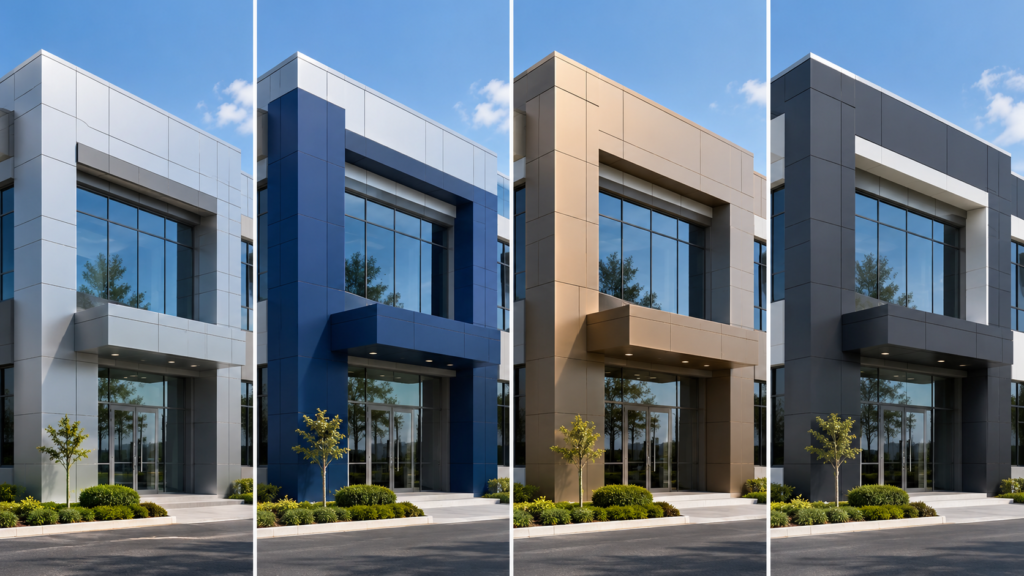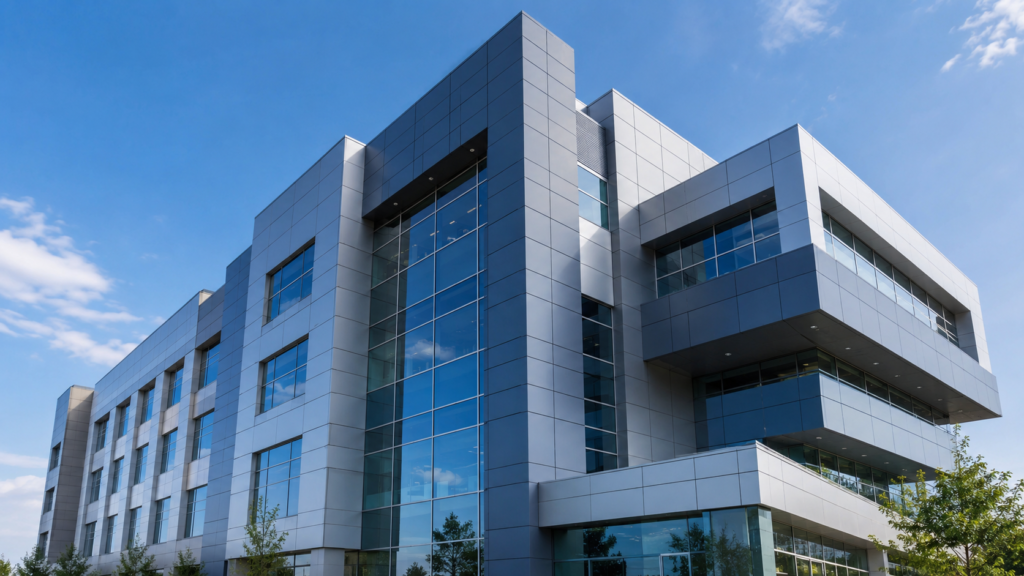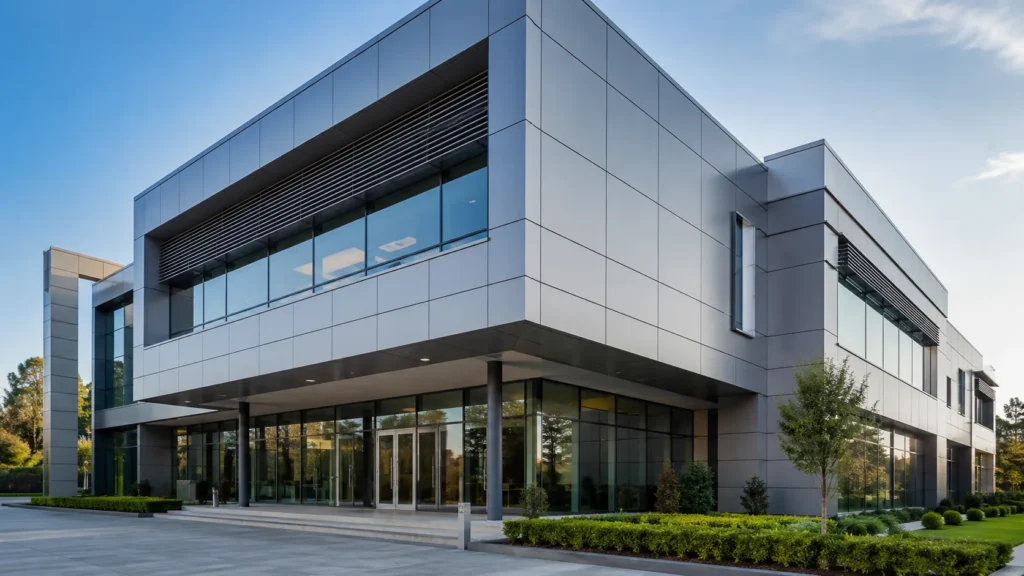
Inspecting the Existing ACP Surface
Before starting the recoating process, inspect the panels for dents, cracks, corrosion, loose sections, damaged joints or coating failure.
Panels with major structural damage may require repair or replacement. Recoating is most suitable when the existing panels are firmly installed and structurally sound.
Selecting the Correct Primer and Coating System
The primer and topcoat must be compatible with the existing ACP surface. The correct system depends on the condition of the panels, their original finish and the environmental exposure of the building.
A suitable primer improves adhesion and creates a uniform base for the final coating. All two-component coatings should be mixed according to the manufacturer’s specified ratio and application instructions.
Preparing the Aluminium Composite Panels
Proper surface preparation is essential for achieving a durable finish. Begin by removing dust, grease, pollution, loose coating and other surface contamination.
Clean the panels using suitable cleaning materials and allow them to dry completely. The surface may then require controlled sanding or mechanical preparation to improve coating adhesion. Harsh chemicals and aggressive abrasives should be avoided because they may damage the panels.
Repairing Joints and Surface Defects
Minor scratches, sealant failure and surface imperfections should be repaired before coating. Damaged or separated sealants around joints and edges should also be replaced where necessary.
A smooth and properly prepared surface helps achieve an even final appearance.
Applying the Primer
Apply the recommended primer evenly across the prepared ACP surface. Depending on the project and product specification, the primer may be applied using a spray system, roller or brush.
Allow the primer to dry for the specified period before applying the next coat. The surface should be smooth, uniform and free from runs, pinholes or visible defects.
Applying the New ACP Coating
Once the primer has dried, apply the selected ACP topcoat in uniform layers. Professional spray application is generally preferred for large façades because it provides a smoother and more consistent finish.
Each coat should be applied at the recommended thickness, and sufficient drying time must be allowed between coats. Weather conditions such as temperature, humidity, wind and rainfall should also be considered during application.
Drying and Curing
The newly applied coating must be allowed to dry and cure properly. During this period, the surface should be protected from dust, rain, moisture and physical contact.
The required curing time depends on the coating system and weather conditions. The panels should not be cleaned or exposed to heavy use until the coating has fully cured.
Final Inspection
After curing, inspect the complete façade for colour consistency, gloss, adhesion, coverage and surface defects.
Special attention should be given to panel edges, corners, joints and difficult-to-access areas. Any uneven coating, missed area or defect should be corrected before project completion.
Conclusion
Professional ACP recoating can restore faded panels, improve surface protection and give a building a fresh appearance. Proper inspection, surface preparation, compatible materials and controlled application are essential for achieving long-lasting results.