Composition and Structure of ACP
ACP is manufactured by bonding two aluminium sheets to a central core material. This layered structure provides strength, durability and flexibility while keeping the overall panel lightweight.
These qualities make ACP suitable for façades, commercial buildings, signage, interiors and many other architectural applications.
Benefits of ACP in Urban Areas
Enhanced Insulation Properties
Urban buildings are exposed to changing weather and temperature conditions. ACP systems can support thermal insulation when used with suitable backing materials and installation methods.
This can help reduce heat transfer and contribute to more comfortable indoor spaces during both hot and cold weather.
Cost-Effective for Urban Construction
ACP provides a premium architectural appearance at a comparatively practical cost. Its lightweight construction can also reduce installation time and structural load.
This makes it suitable for developers looking to balance design, performance and project expenses.
Customisation and Design Flexibility
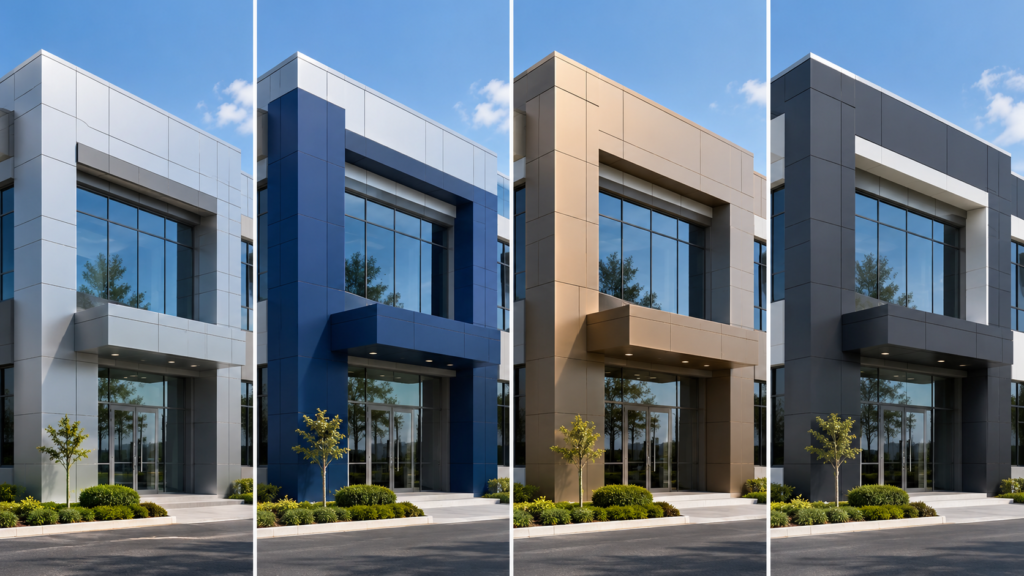
Every urban project has different architectural and branding requirements. ACP is available in numerous colours, patterns, textures and finishes.
Architects and designers can select metallic, wooden, stone, matt or glossy finishes to match the desired appearance of a building.
Applications of ACP in Urban Development
Façade Cladding for High-Rise Buildings
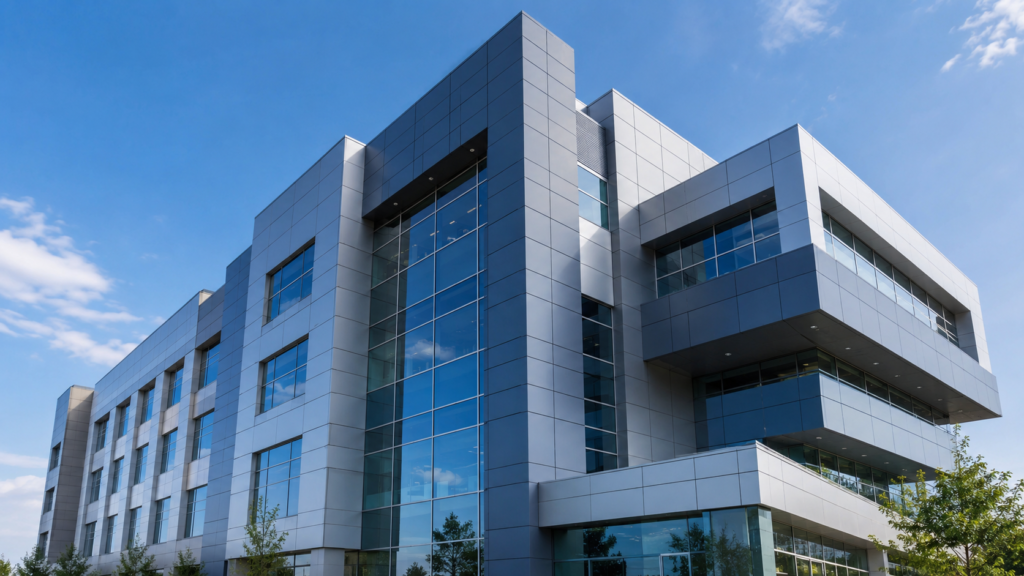
ACP is commonly used for façade cladding on high-rise buildings. It provides a clean and modern appearance while protecting the exterior from weather exposure.
Its lightweight nature, durability and design flexibility make it suitable for commercial towers, offices, hotels and residential buildings.
Signage and Branding in Commercial Spaces
ACP is also widely used for signage, display panels and branding elements. Its smooth surface allows logos, colours and graphics to be displayed clearly.
Its flexibility and ease of fabrication make it a suitable choice for malls, retail stores, offices, petrol pumps and other commercial locations.
Sustainability and Environmental Impact of ACP
Recyclability and Environment-Friendly Features
Aluminium used in ACP panels can be recycled, helping reduce material waste when it is processed correctly.
Selecting quality panels, maintaining them properly and restoring existing façades instead of replacing them can also extend their useful life and reduce unnecessary waste.
Energy Efficiency in Building Design
ACP façade systems can support energy-efficient building design when combined with suitable insulation and ventilation systems.
By reducing heat transfer and supporting improved thermal performance, ACP can contribute to lower energy consumption in urban buildings.
Aesthetic and Design Considerations with ACP
ACP can significantly improve the appearance of urban buildings. Its wide selection of colours and finishes allows designers to create distinctive exterior and interior spaces.
Colour Options and Finishes
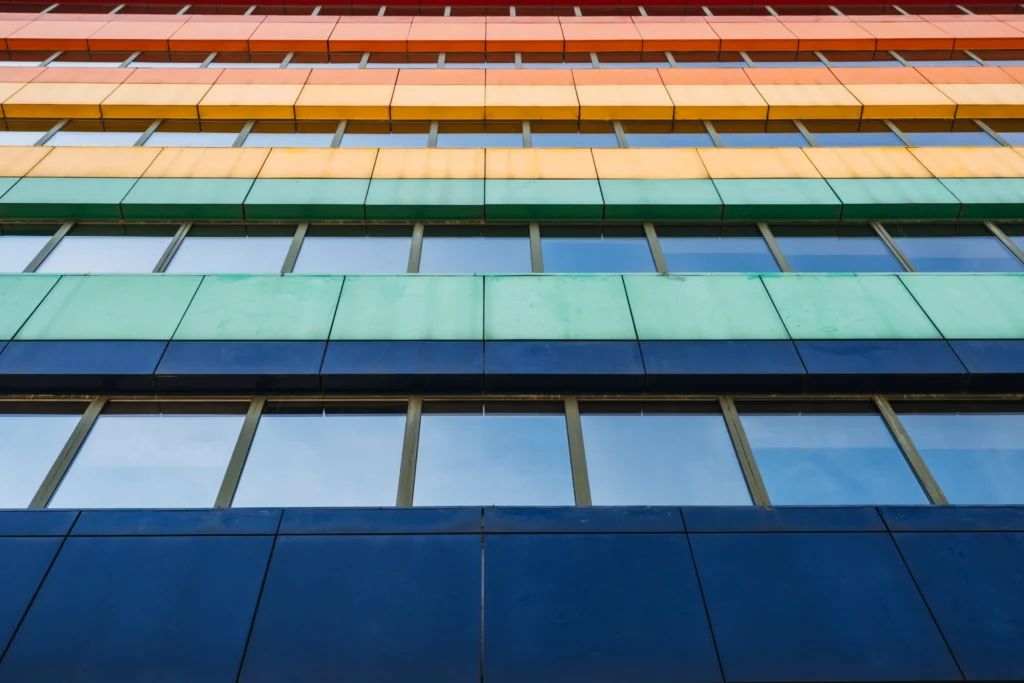
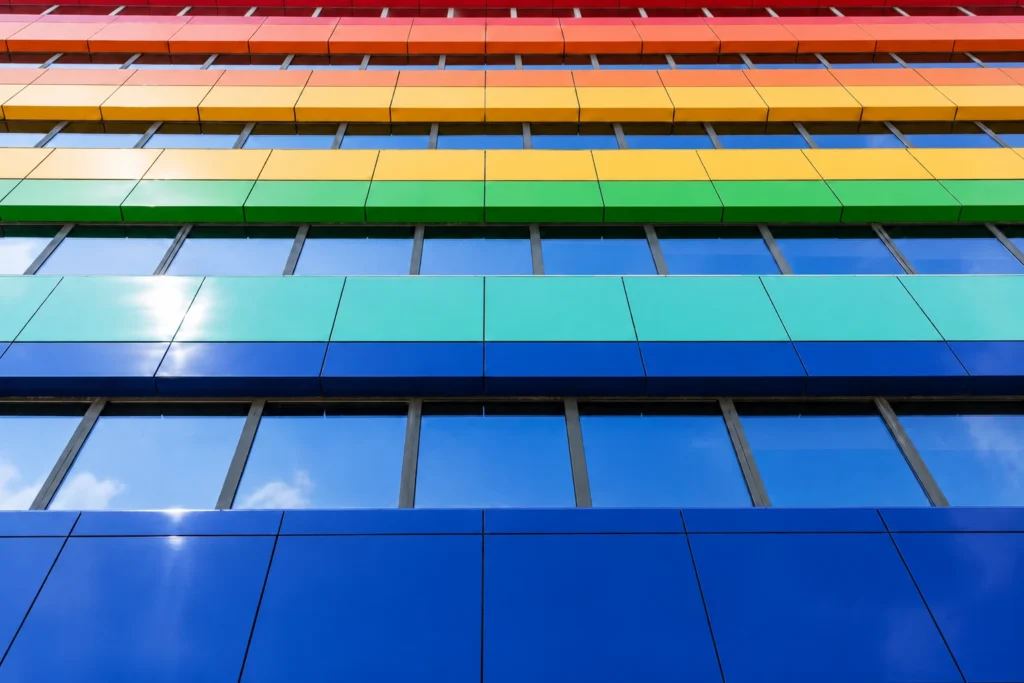
ACP panels are available in a broad range of colours and surface finishes. A building can be given a clean appearance with neutral shades or made more noticeable with bold colours.
Options such as metallic, glossy, matt, wooden and stone finishes provide greater flexibility in architectural design.
Integration with Modern Architectural Trends
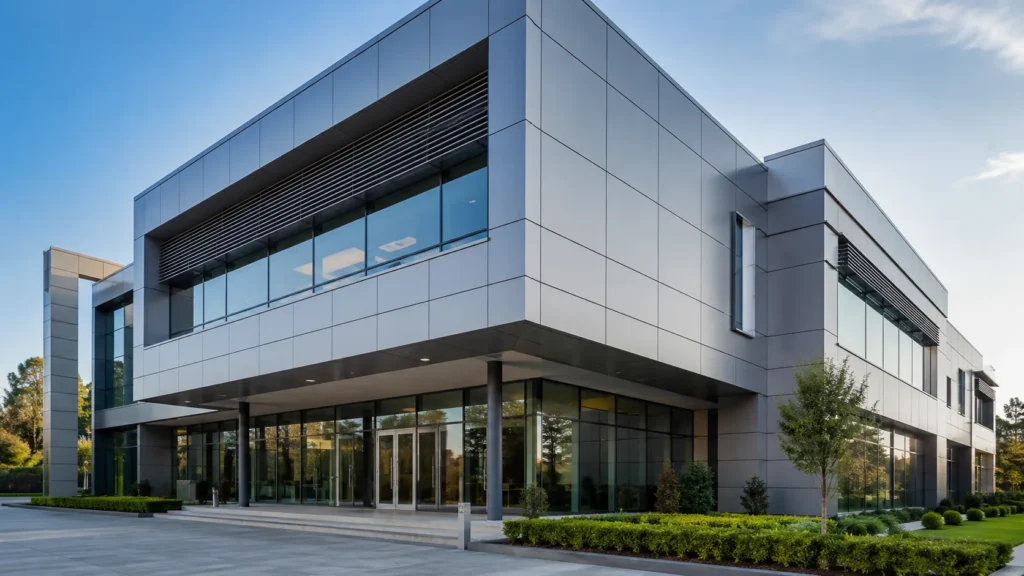
ACP works well with modern architectural styles, including minimalist, contemporary and futuristic designs.
Its smooth appearance, clean lines and flexible application make it a popular choice among architects and designers working on modern urban projects.
Maintenance and Durability of ACP in Urban Settings
Urban environments expose building façades to sunlight, dust, pollution, rainfall and changing temperatures. Proper maintenance is therefore essential for preserving the appearance and performance of ACP panels.
Cleaning and Upkeep Practices
ACP surfaces should be cleaned regularly using water, mild detergent and a soft cloth or sponge. This helps remove dirt and pollution while maintaining the original finish.
Harsh chemicals, abrasive tools and high-pressure cleaning methods should be avoided because they may damage the coated surface.
Longevity and Resistance to Weathering
ACP panels are designed to withstand UV exposure, moisture and temperature changes. However, their colour and gloss may gradually fade after prolonged environmental exposure.
Complete panel replacement is not always necessary. Professional ACP coating can restore the surface, improve its appearance and extend the service life of the existing façade. Velora Paints provides specialised ACP coating solutions for restoring faded and weathered panels.
Regulatory Compliance and Safety Measures for ACP
Safety and regulatory compliance are essential when using ACP in urban construction. Panels should meet the applicable fire-safety, structural and building requirements for the project.
Professional installation, suitable materials and regular inspections help protect building occupants, workers and surrounding areas.
Conclusion
ACP plays an important role in urban architecture by combining appearance, performance and design flexibility. It provides a cost-effective solution for façades, signage and commercial developments.
As cities continue to grow, architects and developers can use ACP to create attractive and functional buildings. Proper material selection, installation, maintenance and restoration can help these structures retain their performance and appearance for many years.
Frequently Asked Questions
1. How long does ACP normally last in urban environments?
ACP is a durable material with good resistance to weather exposure. With proper installation, cleaning and maintenance, quality ACP panels can perform effectively for many years.
2. Are there limitations to the design flexibility of ACP?
ACP provides extensive design flexibility, but certain complex shapes or structural applications may require specialised fabrication and support. An architect or qualified engineer should review such designs before installation.
3. Is ACP more sustainable than traditional construction materials?
ACP can support sustainable construction because aluminium is recyclable, the panels are lightweight and existing surfaces can often be restored instead of replaced. Its overall environmental performance depends on the panel composition, manufacturing process, installation and end-of-life recycling.