Why Is Aluminium Coating for Buildings an Ideal Choice?
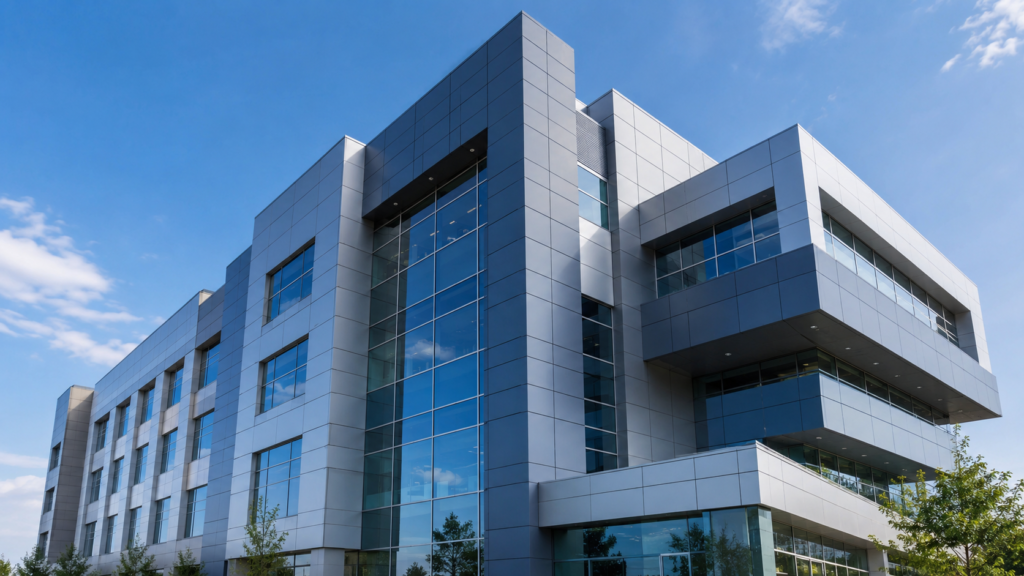
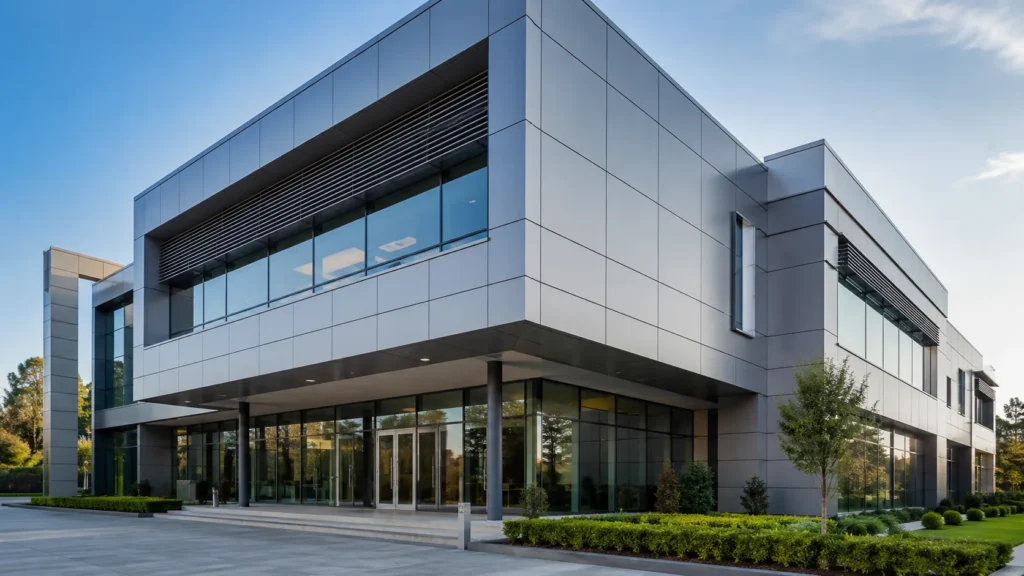
Aluminium coating has become a preferred solution because it combines strength, flexibility and long-term surface protection. It helps protect building façades from weather exposure while also improving their overall appearance.
The reflective properties of aluminium can help reduce solar heat absorption and support better energy efficiency. Aluminium is also lightweight, corrosion-resistant and durable, making it suitable for residential, commercial and high-rise buildings.
Key Benefits of Aluminium Coating for Buildings
High-rise structures require materials that offer durability, protection and energy efficiency. Some important benefits include:
Long-Term Durability and Protection
Aluminium is recognised for its strength and durability. When used as a building coating, it creates a protective layer against rain, wind, sunlight and environmental exposure.
It helps reduce corrosion, colour fading and surface deterioration. Its long service life also lowers the need for frequent maintenance, making it a cost-effective solution over time.
Improved Aesthetic Appeal
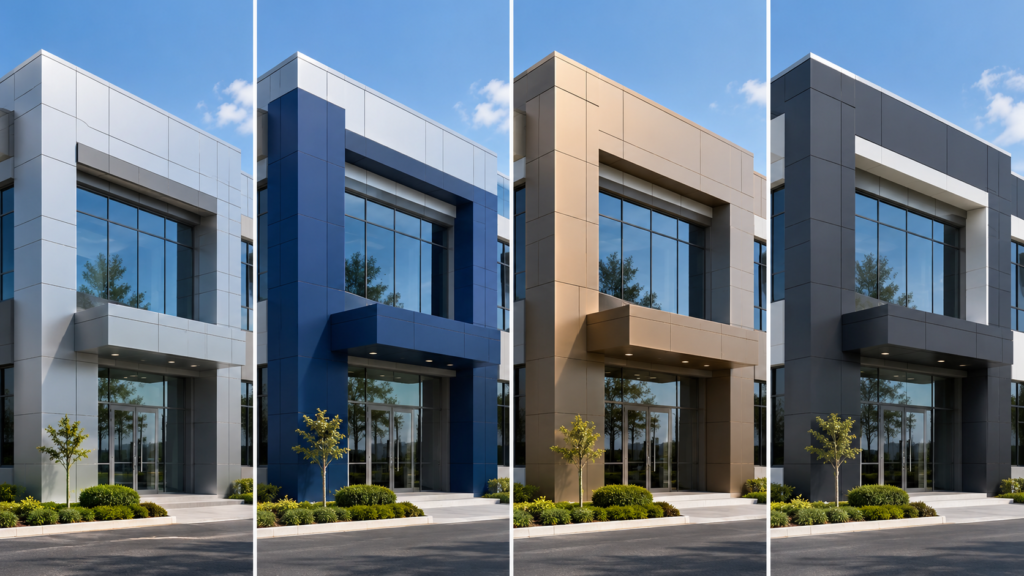
Along with protection, aluminium coating can enhance the architectural appearance of a building. It is available in multiple colours, textures and finishes, allowing architects to create sleek and modern façade designs.
Its reflective surface may also reduce heat absorption, helping lower cooling requirements. This is particularly useful for buildings located in warmer regions.
Challenges of Aluminium Coating in Tall Buildings
Although aluminium coating provides several advantages, high-rise buildings involve certain application and maintenance challenges.
Installation Challenges
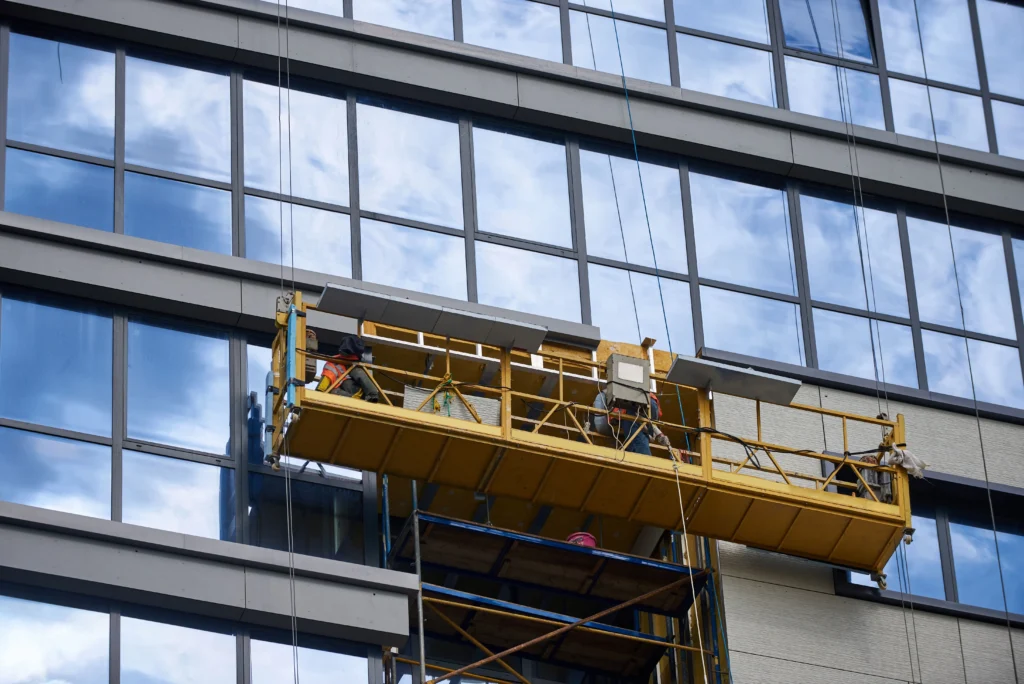
Applying aluminium coating uniformly on tall structures can be complex. Specialised equipment and trained applicators are required to achieve a smooth and consistent finish.
Scaffolding, cradles, cranes or aerial platforms may be needed to access higher areas. These requirements can increase installation time, safety considerations and overall project costs.
Weather and Environmental Exposure
Although aluminium offers good resistance to environmental conditions, severe exposure may affect its long-term performance.
In coastal locations, salt-laden air can cause corrosion if the surface preparation, coating system or maintenance is inadequate. Heavy rainfall and temperature variations may also cause expansion, contraction or surface deterioration over time.
These risks can be controlled through proper surface preparation, suitable coating selection and regular maintenance.
Conclusion
Aluminium coating for buildings provides long-term protection, energy-saving benefits and a modern architectural finish. It is particularly valuable for commercial and high-rise façades where durability and appearance are equally important.
However, installation difficulties and environmental exposure must be properly considered. When applied by experienced professionals using the correct coating system, aluminium coating can significantly improve the performance and appearance of a building.