What Is an ACP Panel?
ACP stands for Aluminium Composite Panel. It generally consists of two aluminium sheets bonded to a polyethylene or mineral-based core.
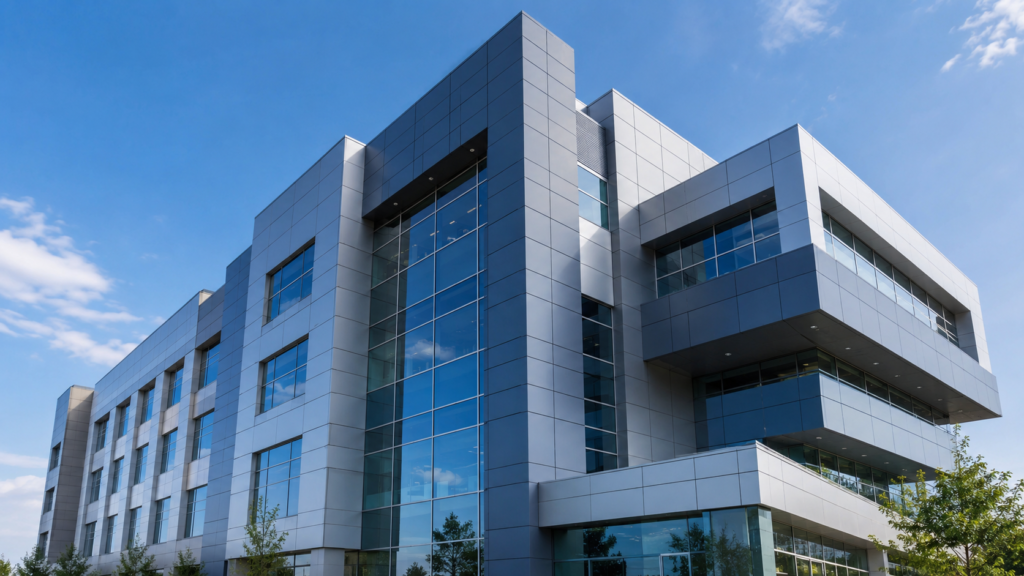
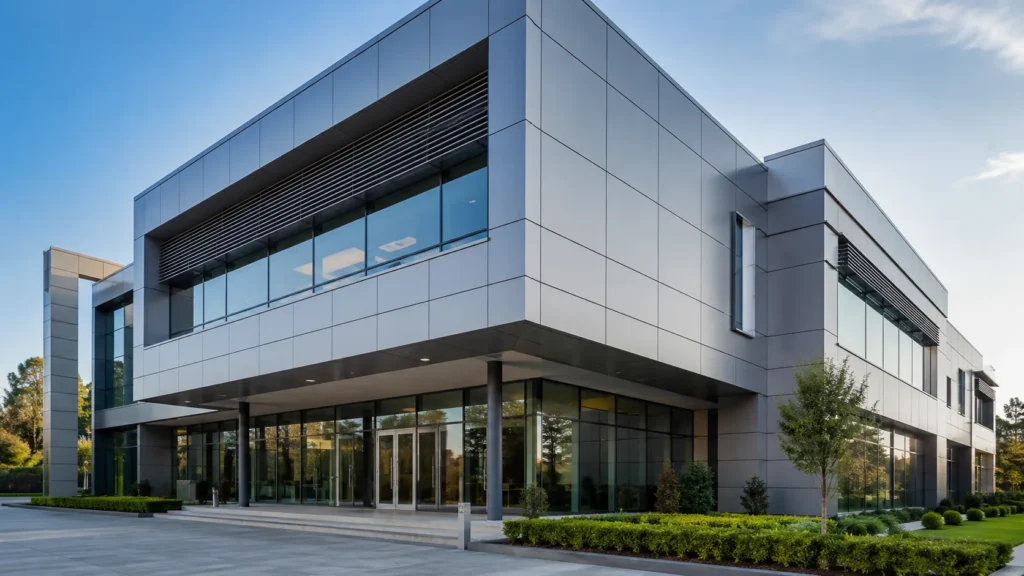
ACP panels are lightweight, durable and easy to fabricate, making them suitable for building façades, elevations, kiosks, signage, petrol pump canopies and interior applications.
What Is ACP Recoating?
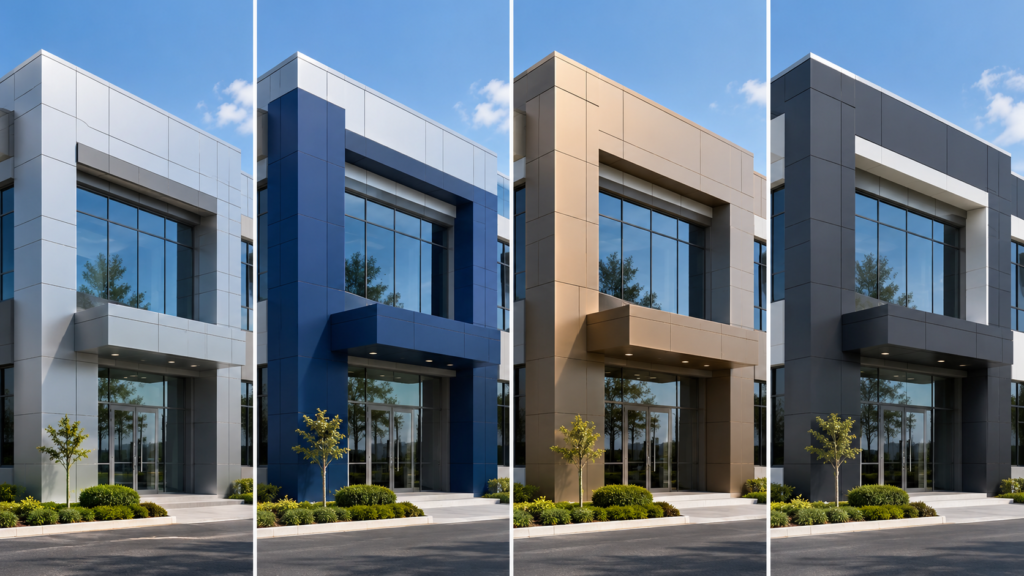
ACP recoating is the process of applying a new protective coating over existing Aluminium Composite Panels.
The coating helps restore faded colour and lost gloss while protecting the surface from sunlight, moisture, pollution and changing weather conditions. When properly applied, it can extend the useful life of the existing panels and reduce the need for complete replacement.
Benefits of Recoating ACP Panels
Protection Against UV Damage
Continuous sunlight can cause ACP panels to fade, chalk or lose their original appearance. A high-quality ACP coating improves resistance to UV exposure and helps maintain colour and gloss for longer.
Improved Durability
Recoating adds a protective layer against rain, heat, moisture, pollution and general environmental exposure. It can reduce surface deterioration, peeling, cracking and corrosion when the correct coating system is selected.
Brighter and Renewed Colours
Old ACP façades often become dull because of sunlight, dust and pollution. Recoating restores brightness and allows the façade to retain its existing colour or receive a completely new colour scheme.
Smooth and Uniform Finish
Professional recoating creates a cleaner and more consistent surface. A smooth finish improves the overall appearance of entrances, commercial buildings, malls, offices and other visible areas.
Cost Savings
Recoating is generally more economical than removing and replacing the complete ACP façade. It reduces expenses related to dismantling, new sheets, fabrication, transportation and installation.
Preparing ACP Panels for Recoating
Proper surface preparation is essential for achieving good adhesion and long-term coating performance.
1. Inspect the Existing Panels
Check for dents, cracks, loose panels, corrosion, damaged joints and coating failure. Panels with major structural damage may need to be repaired or replaced before recoating.
2. Clean the Surface
Remove dirt, grease, pollution and other contaminants using suitable cleaning products. Mild detergent and water may be used for general cleaning, followed by thorough rinsing and drying.
3. Sand the Existing Finish
The surface may require controlled sanding with suitable abrasive paper or pads. This removes loose coating and creates a proper surface profile for better adhesion.
4. Remove Dust and Residue
After sanding, remove all dust using a vacuum, clean cloth or approved cleaning method. The surface must be dry and free from contamination before primer application.
5. Repair Surface Defects
Minor scratches, cracks and damaged sealant areas should be repaired. All repaired sections should be levelled and prepared before coating.
Applying the Primer
A compatible primer should be applied over the properly prepared ACP surface. The primer improves adhesion and creates a uniform base for the topcoat.
The product, mixing ratio, application method and drying time must follow the coating manufacturer’s instructions.
Applying the ACP Topcoat
The coating may be applied using professional spray equipment, rollers or brushes, depending on the project and surface area. Spray application is generally preferred for large façades because it provides a smoother and more uniform finish.
Each coat should be applied at the recommended thickness, with sufficient drying time between layers.
Drying and Curing
After application, the coating must be protected from rain, dust, moisture and physical contact until it has dried and cured completely.
Curing time varies according to the coating system, temperature, humidity and site conditions.
Tools and Materials Required
The recoating process may require:
- Cleaning materials and approved degreasers
- Abrasive paper or sanding pads
- Dust-removal equipment
- Repairing and filling materials
- Suitable primer and ACP topcoat
- Spray equipment, rollers or brushes
- PPE, including gloves, masks and safety goggles
For high-rise applications, proper access equipment and fall-protection systems are also essential.
Ensuring Quality During ACP Recoating
Quality depends on surface preparation, product compatibility and application control. Experienced applicators should use the correct coating system and maintain the recommended film thickness.
After curing, the façade should be inspected for adhesion, colour uniformity, gloss, coverage, runs, pinholes and missed areas.
Conclusion
Recoating ACP panels is a practical solution for restoring faded and weathered building façades. It improves colour, gloss and environmental protection while reducing the cost and disruption associated with complete panel replacement.
Velora Paints provides specialised ACP coating solutions for commercial, residential and industrial façades, helping existing panels regain a clean, attractive and durable finish.